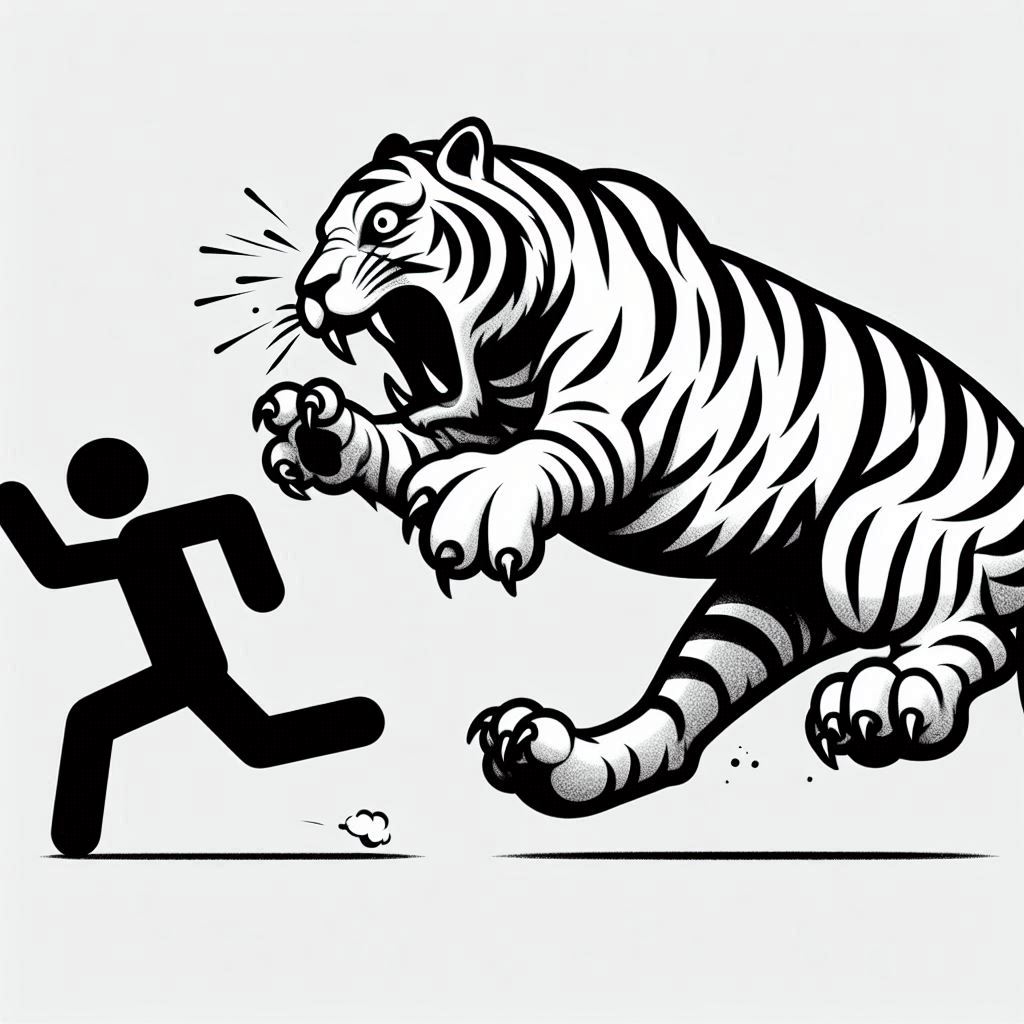
Our bodies are incredible when it comes to protecting us. When we sense danger—real or perceived—our brains spring into action, often before we even have time to think. This survival mechanism, deeply rooted in our biology, is orchestrated by the amygdala, a small but powerful part of the brain that processes emotions and triggers the body’s stress response.
The Four F Responses
When faced with a threat, our nervous system activates one of four primary responses:
- Fight – Confronting the threat head-on.
- Flight – Escaping the danger.
- Freeze – Becoming immobile, hoping the threat will pass.
- Fawn – Attempting to appease the threat to avoid harm.
While the first three responses are well-known, the fawn response has gained recognition more recently. Coined by psychotherapist Pete Walker, fawning involves people-pleasing behaviors aimed at appeasing perceived threats to ensure safety .Trauma Integration Frankfurt+6The Conversation+6Psychology Today+6
Fight, Flight, Freeze: A Closer Look
When the amygdala senses danger, it doesn’t ask for details—it just acts. Depending on our biology, life experiences, and learned behaviors, we may default to one of the following nervous system responses. Each one is designed to keep us safe, even if it doesn’t always serve us in modern life.

🥊 Fight: Confronting the Threat
The fight response prepares us to confront and overcome a perceived threat head-on. It’s about regaining control, protecting boundaries, or defending ourselves.
Physical symptoms:
- Muscle tension
- Clenched jaw or fists
- Increased aggression or irritability
Modern-day examples:
- Yelling during an argument instead of walking away
- Lashing out when feeling cornered or criticized
- Becoming overly controlling in relationships to feel secure
At its core, the fight response says: “I need to protect myself.” It’s powerful—but when unchecked, it can damage relationships and leave us feeling ashamed or misunderstood.

🏃 Flight: Escaping the Situation
The flight response kicks in when the nervous system decides the best chance of survival is to get away—physically or emotionally.
Physical symptoms:
- Restlessness
- Fast heartbeat
- Difficulty focusing
Modern-day examples:
- Walking out of a room mid-conflict
- Avoiding tasks or people that cause stress
- Constant busyness or perfectionism as a way to outrun anxiety
This response often looks like avoidance, but beneath it is a voice saying: “If I stay, I won’t be safe.”

❄️ Freeze: Shutting Down
The freeze response is like a system overload. When fight or flight doesn’t feel possible, the body might go still instead—numbing, disconnecting, or disassociating to survive.
Physical symptoms:
- Feeling paralyzed or stuck
- Numbness or emptiness
- Slowed breathing or heart rate
Modern-day examples:
- Going blank during a difficult conversation
- Feeling emotionally “frozen” when asked to make decisions
- Shutting down in the face of confrontation or overwhelm
Freeze is often misunderstood. To outsiders, it may look like indifference or withdrawal, but internally, it’s a desperate form of protection. It says: “If I don’t move, maybe I won’t get hurt.”
Each of these responses is natural and valid. They’re survival tools your nervous system has picked up along the way—sometimes long before you could speak or understand what was happening. The challenge in adulthood is not to get rid of these responses, but to learn how to recognize them, understand their origins, and gently guide yourself back to safety.
Up next: Want to learn how to support yourself through these responses and build nervous system resilience? Click here to keep reading.

Understanding the Fawn Response
The fawn response is often a survival strategy developed in environments where asserting one’s needs was unsafe. Individuals exhibiting this response may have experienced trauma or abuse, leading them to prioritize others’ needs over their own to maintain safety .
In relationships, this can manifest as difficulty saying “no,” chronic self-abandonment, or hyper-attunement to others’ emotions. Over time, this pattern can erode one’s sense of self and lead to challenges in forming healthy, authentic connections.
The Role of the Amygdala
The amygdala plays a central role in detecting threats and initiating the body’s stress response. When it perceives danger, it activates the sympathetic nervous system, preparing the body to fight, flee, freeze, or fawn .
Healing and Moving Forward
Recognizing the fawn response is the first step toward healing. Therapeutic approaches, such as Cognitive Behavioral Therapy (CBT) and Eye Movement Desensitization and Reprocessing (EMDR), can help individuals understand and reframe these patterns .
Building self-awareness, setting boundaries, and practicing self-compassion are crucial in reclaiming one’s sense of self and fostering healthier relationships.
Resources for Further Reading: